
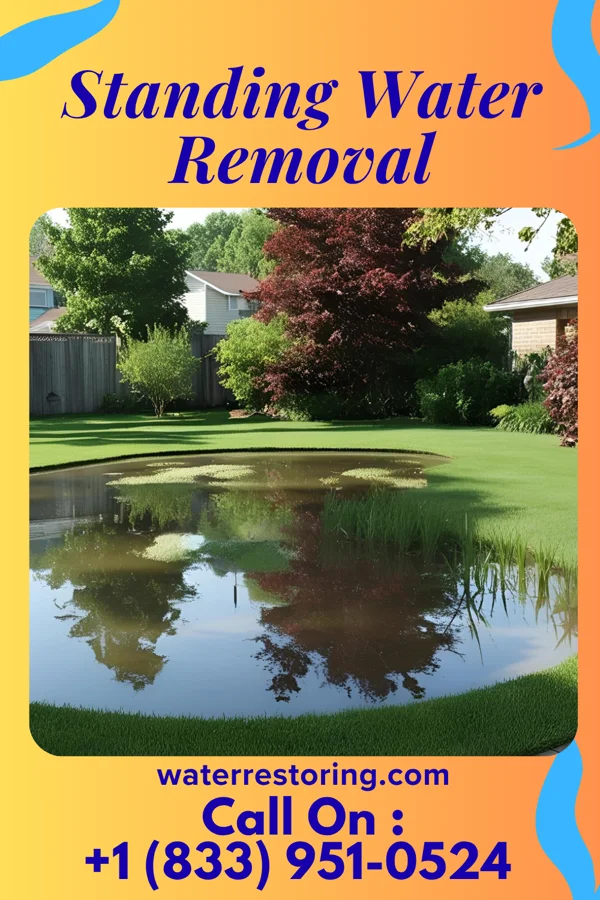
What Makes Flemington Standing-Water-Prone
Living in Flemington means dealing with In Flemington, Georgia, water damage is most commonly caused by leaking roofs, burst pipes, and flooding from nearby rivers or heavy rainfall. The area's proximity to Fort Stewart and frequent thunderstorms contribute to sudden water intrusion in homes and businesses. sooner or later. A close second is Secondary causes include faulty plumbing systems, sewer backups, and groundwater seepage due to the region's clay soil. Poor drainage in rural areas can also lead to water accumulation around foundations.. The good news: water damage is fully recoverable when you catch it fast and bring in certified technicians.
Flemington experiences a humid subtropical climate with heavy rainfall during the summer months, increasing the risk of water damage. The area is also prone to flash flooding due to its low-lying terrain and proximity to waterways.
Most standing water removal calls in Flemington come from In Flemington, Georgia, water damage is most commonly caused by leaking roofs, burst pipes, and flooding from nearby rivers or heavy rainfall. The area's proximity to Fort Stewart and frequent thunderstorms contribute to sudden water intrusion in homes and businesses.. Running a close second is Secondary causes include faulty plumbing systems, sewer backups, and groundwater seepage due to the region's clay soil. Poor drainage in rural areas can also lead to water accumulation around foundations.. Local mold risk: Mold growth in Flemington can occur rapidly due to high humidity and frequent moisture exposure, especially in older homes with poor insulation. Prompt remediation is critical to prevent health risks and structural damage.